Retired SVG Review
First Impressions of Retired SVG
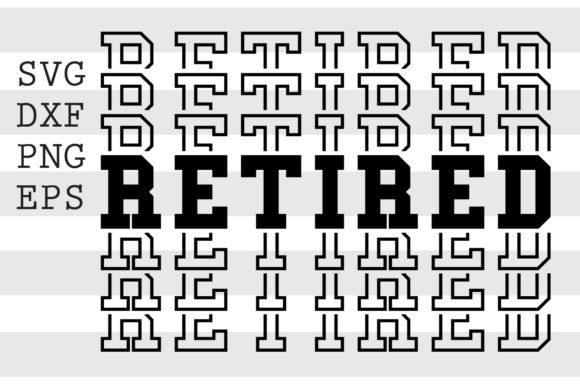
Retired SVG immediately catches the eye with its vintage-inspired aesthetic. The design feels like a nod to bygone eras, blending simplicity with subtle sophistication. Its layout is clean, with a balanced composition that suggests it was crafted with both form and function in mind. The level of detail is just enough to add character without overwhelming the viewer. It’s the kind of design that could easily become a signature piece for a handmade shop or a custom apparel project.
The visual personality of Retired SVG leans toward timeless charm, making it ideal for projects that aim to evoke nostalgia or a sense of authenticity. It seems to belong naturally on items like mugs, t-shirts, and other everyday accessories where a touch of class can elevate the overall appeal.
Real-Life Embroidery Scenarios with Retired SVG
When considering Retired SVG for real embroidery work, it’s important to think about how it translates onto different materials and products. For instance, using it on a custom embroidered tote bag gives the item a unique, handcrafted feel that can stand out in a crowded market. On a sweatshirt, it adds a subtle yet stylish element that doesn’t overpower the garment.
For baby items, Retired SVG could be a great choice if the design is adapted to be more child-friendly. However, care must be taken with the details to ensure they’re not too intricate for small hands or delicate fabrics. Similarly, when used on caps or hats, the design should be tested on curved surfaces to confirm how it holds up under stitching and wear.
As an applique design, Retired SVG could work well on patches or decorative accents. Its structure allows for clear satin stitch and fill stitch execution, which is essential for maintaining visual clarity in machine embroidery. However, the design might not be the best fit for high-density areas or areas requiring running stitch, as it could become too busy or lose definition.
Where to Use Retired SVG with Caution
While Retired SVG has many strengths, there are certain situations where it may not perform as expected. On small hoop sizes, the design might appear cramped or distorted, especially if the details are too fine. This could be an issue for projects that require precise placement, such as personalized gifts or boutique merchandise.
Textured fabrics or thin, stretchy materials may also pose challenges. Retired SVG’s detail level could get lost or become uneven on these surfaces. Dark fabrics may also require careful consideration of thread color contrast to ensure the design stands out effectively.
When working with layered garments or curved surfaces like caps, it’s crucial to test the design first. The shape and layout of Retired SVG may not adapt well to these forms without adjustments. Tiny lettering or intricate corners could also be problematic, as they may not stitch clearly or could cause thread breakage during the process.
Impact on Visual Appeal and Customer Perception
Retired SVG has the potential to enhance the visual appeal of any product it’s applied to. Its vintage vibe can add value to handmade products, making them more desirable for customers looking for unique, artisanal items. When used on custom apparel or personalized gifts, it can increase the perceived quality and craftsmanship of the finished product.
For small business owners and Etsy sellers, Retired SVG could be a valuable addition to their design assets. It offers a professional look that aligns with brand consistency and can help build customer trust. The design’s versatility makes it suitable for a range of applications, from holiday gifts to commercial embroidery projects.
However, the success of Retired SVG ultimately depends on how well it’s executed. Poorly stitched details or improper stabilizer use can detract from the overall appearance, leading to dissatisfaction among buyers. It’s important to maintain high standards in both the embroidery process and the final presentation of the product.
Practical Designer Notes for Using Retired SVG
Before committing to a project with Retired SVG, it’s wise to test the design on scrap fabric. This helps identify any issues with stitch density, thread color contrast, or fabric texture that might affect the outcome. Checking the hoop size is also essential—make sure the design fits comfortably within the space available on your embroidery machine.
Inspecting small details is another key step. Retired SVG’s layout may have elements that need special attention, especially if they’re part of a larger composition. Testing the design in black and white mockups can reveal how it looks without color, which is useful for printable mockups or digital product previews.
Comparing the design on light and dark fabric backgrounds can also provide insight into its adaptability. Using the right stabilizer is crucial, particularly for delicate or stretchy fabrics. Confirming whether the design works for both personal and commercial projects ensures that it meets all necessary requirements before being sold or used in a finished product.
Finally, always check the licensing terms before selling finished items or digital products. Even though the product description mentions mugs and t-shirts, specific terms may vary, and it’s important to understand what you’re allowed to do with the design.